

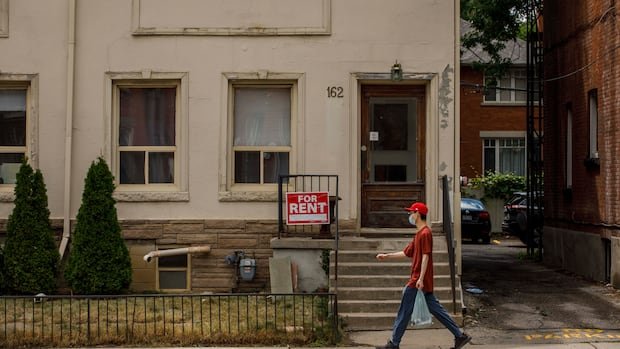

Ontario’s upcoming housing legislation has stirred concerns among advocates as it may lead to the elimination of rent control and permanent leases province-wide, following a recent initiative by Premier Doug Ford’s administration. The government unveiled a new housing bill that aims to simplify approvals and expedite home construction. Nonetheless, tucked within the bill is a provision for “alternative options to lease expiry rules,” potentially granting landlords the authority to determine occupants and tenancy durations based on market conditions, personal needs, or business strategies.
Housing advocates fear that if the proposal is enacted, it will adversely impact long-standing renters and vulnerable tenants, such as seniors and students, throughout Ontario. Stacey Semple, a volunteer organizer at Acorn, a non-profit advocating for social justice causes including affordable housing, expressed concerns about the implications. She criticized the move, stating that it strips tenants of their rights and gives landlords leeway to evict long-term renters to maximize profits.
Presently, tenants benefit from “security of tenure,” which ensures their right to stay in a rental unit as long as they comply with the lease agreement and residential tenancies act. The provision allows for month-to-month rental continuation post a fixed-term lease expiration, safeguarding tenants from unjust evictions. If the proposed changes come into effect, Semple warns that cities like Toronto, with a significant renter population, will face severe repercussions.
In response to the proposed legislation, concerns have been raised about the potential increase in homelessness due to fewer affordable housing options. The government asserts that ongoing consultations on lease expiry rules aim to balance tenant protection with landlord interests, particularly small-scale landlords reliant on rental income for mortgage payments. Notwithstanding assurances of continued tenant safeguards against substantial rent hikes, concerns persist about the impact of the proposed changes on renters.
Long-term renter Leigh Beadon decried the proposal, emphasizing its broad-reaching negative effects on tenants across Ontario. He highlighted the plight of renters in older rent-controlled buildings who could face steep rent increases or displacement without rent control measures in place. Beadon underscored the critical role of security of tenure for vulnerable populations, such as seniors and individuals on fixed incomes, in preventing homelessness.
Critics, including Toronto Mayor Olivia Chow and housing advocate Adil Shamji, have condemned the legislation as biased against tenants, potentially leading to unwarranted evictions and exacerbating the affordability crisis. Opposition figures like Catherine McKenney of the Ontario NDP have called for robust rent control measures and increased home construction to address the housing challenges facing Ontarians.
Amidst growing concerns, tenants are urged to mobilize through collective action, such as rent strikes and protests, to push back against the proposed changes. The advocacy for tenant rights and affordable housing remains a focal point for individuals like Beadon, emphasizing the importance of unity and activism in safeguarding tenants’ interests amid legislative shifts.