


Yao Zhang was taken aback by the recent revelation. Lewd deepfake images of her were circulating widely online, a move that Ottawa attributed to the Chinese government. This wasn’t the first instance of Zhang being targeted by China. Following her trip to Taiwan in January 2024 to advocate for its independence, the Chinese national police visited her aunt in Chifeng, mainland China.
Zhang also fell victim to doxxing, where private details about her and her family were exposed on a website listing individuals deemed disloyal to China. False rumors aimed at discrediting her, such as alleged affairs with her stepbrother and receiving payments from the U.S. government, started to spread online. CBC News interviewed several Canadian activists who have criticized the People’s Republic of China, all reporting similar tactics: relatives in China interrogated by authorities, activists surveilled in Canada, threatening calls, and online spamouflage campaigns spreading propaganda.
While Zhang feels physically secure in Canada, the psychological impact of these attacks is significant. Despite this, she doubts the Canadian government’s ability to intervene. An investigation by CBC News and the International Consortium of Investigative Journalists (ICIJ) revealed an uptick in Chinese government attacks on dissidents residing in Canada and globally, raising concerns among China experts about the impact on Canadian democracy and security.
In response to this trend, Parliament passed Bill C-70 in June 2024 to combat transnational repression and foreign interference more effectively. However, subsequent reports indicate China’s escalating boldness, with little progress made in implementing the measures outlined in the bill. The delay in enforcement falls on Prime Minister Mark Carney’s government to address.
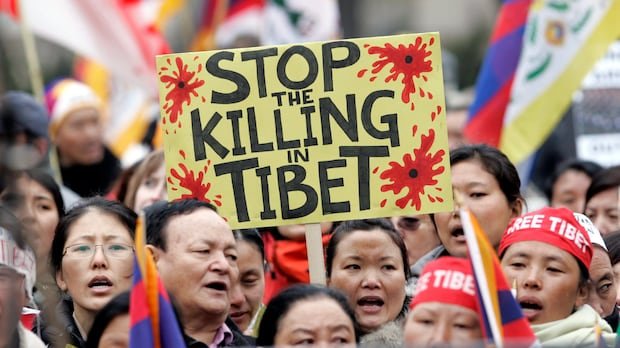
Dissidents are often targeted for opposing China’s stance on sensitive issues like democracy in Hong Kong, treatment of Uyghurs, Tibetan autonomy, Falun Gong, and Taiwanese independence. The ICIJ’s investigation highlighted how China leverages international institutions like Interpol and the United Nations to target critics worldwide, with little pushback from some countries hosting these individuals.
The Chinese Embassy in Canada has not responded to inquiries raised by CBC News. The situation has left many activists feeling unprotected and disillusioned by the government’s response to safeguarding them from foreign interference, contrasting with efforts in countries like Australia and the United States to counter similar threats.
Despite the challenges, activists like Yao Zhang remain resolute in speaking out against the Chinese government, relying on the support of the Canadian community to shield them from external pressures.