

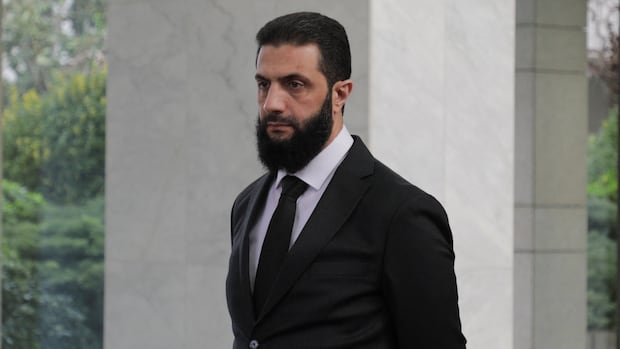

Syrian leader Ahmed al-Sharaa is facing a critical situation as he deals with some of the deadliest violence witnessed in 13 years of civil war. The conflict has pitted loyalists of former president Bashar al-Assad against the new Islamist rulers in the country. Reports indicate that the ongoing clashes in Assad’s coastal stronghold have resulted in the deaths of around 1,000 individuals, primarily civilians.
The top commander of a Syrian Kurdish armed group, engaged in a separate conflict with Turkey, has accused Turkish-backed Islamist factions of carrying out disturbing acts of violence, including the reported executions of civilians from Assad’s Alawite community. In response to these allegations, Turkey has not yet issued a formal response.
In an effort to address the escalating violence, the office of interim president al-Sharaa has announced the formation of an independent committee to investigate the clashes and killings perpetrated by both sides. Graphic videos depicting executions by combatants have circulated among Syrians, although the authenticity of these videos could not be immediately verified by Reuters.
A Syrian security source has noted a reduction in the intensity of fighting around the cities of Latakia, Jabla, and Baniyas, as security forces conduct operations in the surrounding mountainous regions where an estimated 5,000 pro-Assad insurgents are believed to be hiding. Al-Sharaa, facing the challenge of governing a nation marked by internal divisions, has emphasized the importance of maintaining national unity and domestic peace to prevent further destabilization.
Following the ousting of Assad by rebels led by al-Sharaa’s Sunni Islamist Hayat Tahrir al-Sham group, the dynamics in Syria have shifted significantly. Assad’s departure marked the end of decades of authoritarian rule by his family, leading to a power struggle and increased violence in the country. The conflict, characterized by complex allegiances and interventions from various foreign actors, has resulted in widespread devastation, with hundreds of thousands dead and millions displaced.
As the violence escalates, concerns about the impact on Syria’s infrastructure and the well-being of religious and ethnic minorities have grown. The U.S. has condemned the actions of radical Islamist groups and called for accountability, while the UN human rights chief has urged the interim leadership to ensure justice for the perpetrators. The recent surge in violence, particularly targeting the Alawite community, has reignited fears of sectarian strife and revenge killings, further complicating efforts to restore stability in the war-torn nation.
Residents in affected areas have reported fleeing their homes to seek safety, with reports of armed groups carrying out attacks on public utilities, disrupting essential services like electricity and water supply. The situation remains volatile as both government forces and anti-government fighters maneuver in the challenging terrain of Latakia province, exacerbating the humanitarian crisis gripping Syria.